
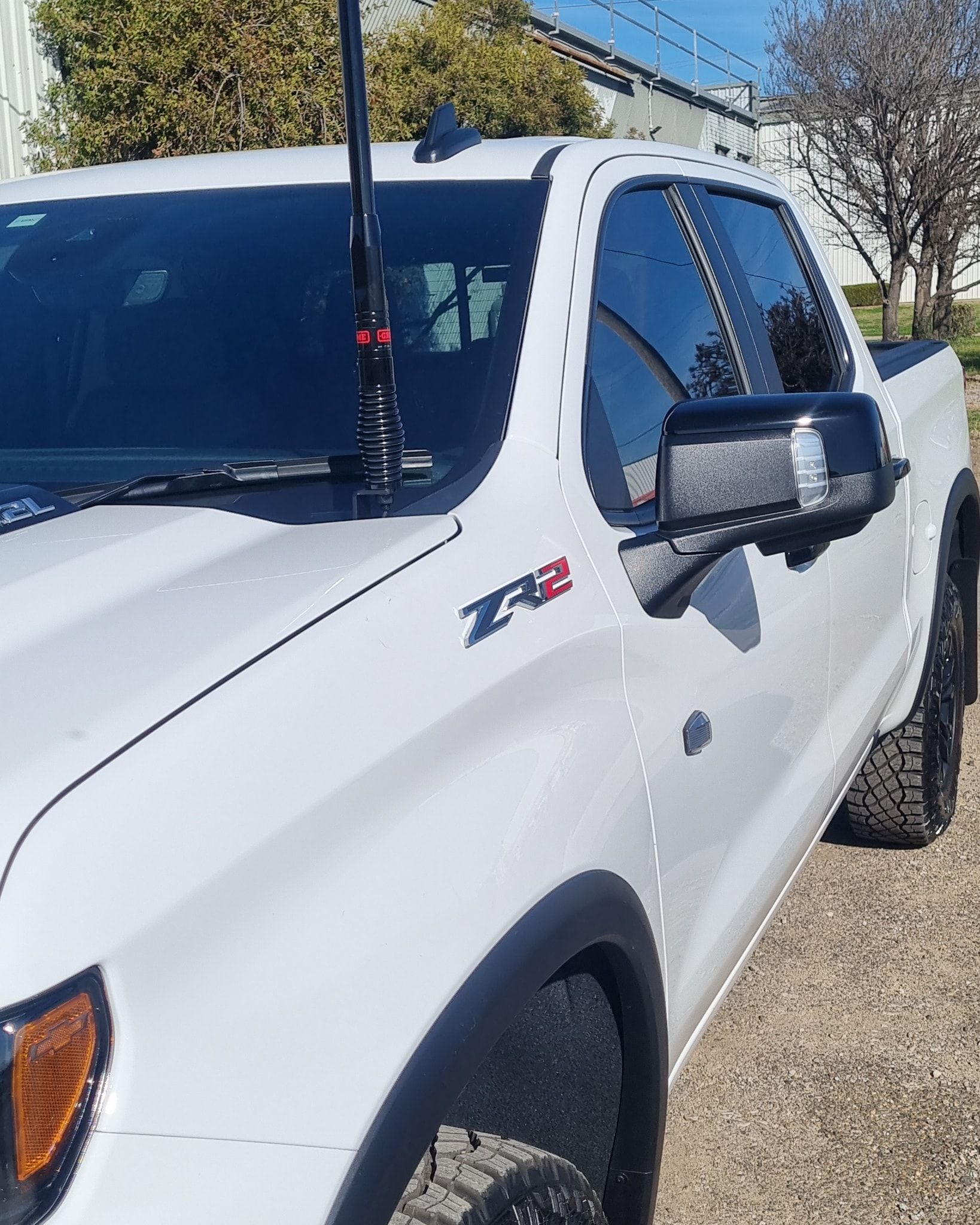
The Relationship Between Idling And Fuel Consumption
Sparky's 4x4 • September 30, 2026
Engine idling uses fuel without moving your vehicle, so unnecessary idling will reduce overall fuel economy. For Tamworth drivers, 4WD owners and fleet operators, cutting avoidable idle time can reduce fuel use while also easing unnecessary demand on the engine, battery and electrical system. A qualified auto electrician in Tamworth can also identify electrical faults that may contribute to poor vehicle efficiency.
Understanding what happens while an engine idles makes it easier to recognise which habits are necessary and which are simply burning fuel.
What Happens to Your Engine When It Idles?
When your vehicle idles, the engine continues running at low speed even though the vehicle is stationary. It still needs fuel to maintain combustion and keep essential systems operating.
The alternator also continues supplying electrical power and charging the battery. Meanwhile, systems such as air conditioning, headlights, demisters, entertainment equipment and accessories can add to the electrical load.
Modern engine management systems constantly adjust fuel delivery and other operating parameters using information from multiple sensors. If a sensor, charging component or electrical connection is not operating correctly, the vehicle may not perform as efficiently as intended.
Idling therefore isn't a "no consumption" state. The vehicle may be sitting still, but its mechanical and electrical systems are still working.
How Much Fuel Does Idling Really Use?
There is no single fuel-consumption figure that applies to every idling vehicle. Engine capacity and design, petrol or diesel fuel, operating temperature, accessory loads and vehicle condition can all influence consumption.
What remains consistent is that an internal combustion engine needs fuel to keep running. If you spend extended periods idling while parked, waiting or working, that fuel contributes zero kilometres to your journey.
A short period might appear insignificant in isolation. Repeated every day, however, unnecessary engine idling becomes part of the vehicle's overall fuel consumption.
This is particularly relevant to commercial fleets. A single work ute waiting with its engine running may seem minor, but the same habit repeated across multiple vehicles and drivers can create an avoidable operating expense.
Bull Bar vs Nudge Bar: Key Differences
Several factors determine how much fuel an engine requires while stationary.
Engine size and design: Different engines have different fuel requirements at idle. Comparing a small passenger vehicle with a larger 4WD, for example, is unlikely to produce identical results.
Fuel type: Petrol and diesel engines operate differently, so fuel consumption while idling varies between vehicles. Engine management technology and vehicle design also matter.
Air conditioning: Running air conditioning can increase the load on the engine. In hot regional NSW conditions, cooling the cabin may sometimes be necessary, but it is still worth recognising that climate control can affect fuel use.
Electrical accessories: Lights, demisters, communication equipment and aftermarket accessories all consume electrical power. The charging system needs to support those demands while maintaining the battery.
Vehicle condition: Engine management faults, charging problems and malfunctioning sensors can affect how a vehicle runs. Booking regular auto electrical checks can help identify electrical issues before they develop into more noticeable reliability or performance problems.
According to industry best practice, vehicle efficiency should therefore be considered as a complete system rather than focusing on one component or driving habit.
Common Situations Where Drivers Idle Without Realising (Traffic, Parked Waiting, Cold-Morning Warm-Ups, Deliveries and Worksite Stops)
Some idling is unavoidable. Traffic lights, congestion and certain operating situations can require an engine to remain running. Other instances become habits that drivers barely notice.
Waiting outside a school, workplace or shop with the engine running is a common example. Delivery drivers and tradespeople may also leave vehicles idling during short stops because they expect to leave again almost immediately.
Cold-morning warm-ups are another consideration. Vehicle requirements vary, so drivers should follow the manufacturer's guidance rather than assuming every engine needs an extended stationary warm-up before driving.
Worksite vehicles present a different challenge. A ute may need to support lights, communication equipment or other electrical accessories while stationary, tempting the operator to keep the engine running primarily as a power source.
Understanding why the vehicle is idling is the first step. If the engine doesn't actually need to be running, there may be a more efficient alternative..
The Hidden Costs of Excessive Idling: Engine Wear, Battery Strain and Emissions
Fuel isn't the only consideration associated with unnecessary idling.
An operating engine continues accumulating running time even when the odometer barely changes. For vehicles that spend substantial periods stationary, kilometres travelled may not tell the complete story of how the vehicle has been used.
The electrical system matters too. High accessory demand can place additional requirements on the charging system, particularly in vehicles fitted with aftermarket lighting, communications equipment, fridges, inverters or other electrical accessories.
Repeated short trips can create another challenge because the charging system may have limited opportunity to replenish energy used during starting and stationary accessory operation. Battery condition, alternator performance and the vehicle's electrical configuration all influence the outcome.
Vehicle emissions also continue while a combustion engine is running. Avoiding unnecessary idling can therefore reduce fuel burned and exhaust produced during periods when the vehicle isn't going anywhere.
Idling in 4WDs, Towing Setups and Fleet Vehicles
4WDs, touring vehicles and work utes often have more complicated power requirements than standard commuter cars.
A touring setup might include a fridge, driving lights, camp lighting, communication equipment and charging points. Work vehicles can add beacons, radios, tools, auxiliary lighting and other equipment.
For example, imagine a 4WD owner regularly leaves the engine running at camp solely to keep accessories powered. Rather than treating engine idling as the default power source, an appropriately designed auxiliary or dual-battery system may allow selected equipment to operate without relying on the starter battery or continuously running the engine.
If you're searching for 4x4 accessories near me, it is worth considering the electrical system as part of the complete fitout rather than choosing accessories individually.
Towing setups also deserve attention. Caravans and trailers can introduce additional electrical requirements for charging systems, braking equipment, lighting and accessories. The system needs to be configured correctly for both the vehicle and what it is expected to power.
Fleet operators face the added challenge of repetition. Clear driver procedures around parked waiting, deliveries and worksite stops can help reduce unnecessary idling consistently across multiple vehicles.
Practical Ways to Reduce Unnecessary Idling (Shut-Off Habits, Trip Planning and Start-Stop Technology)
Reducing idling doesn't mean switching the engine off regardless of the circumstances. It means identifying periods where running the engine provides no practical benefit. Useful strategies include:
- Change parked-waiting habits. Where safe and appropriate, switch off the vehicle instead of leaving it running during longer stationary waits.
- Plan repetitive stops. Fleet and delivery operators can review routes and work practices to identify unnecessary stationary running.
- Use auxiliary power appropriately. A properly configured secondary power system can run suitable 4WD or worksite accessories without relying on continuous engine operation.
- Understand start-stop technology. Vehicles equipped with automatic start-stop systems can shut down the engine during suitable stationary periods and restart it when required. Follow the manufacturer's instructions for your particular vehicle.
- Maintain the electrical system. Battery, charging and engine-management issues can affect reliability and performance, so don't ignore warning lights, slow starting or unusual electrical behaviour.
If a touring rig or work ute regularly needs electrical power while stationary, a 4x4 auto electrician in Tamworth can assess whether an auxiliary battery, charging system or other electrical solution better suits how the vehicle is used.
How an Auto Electrician Can Help Keep Your Vehicle Running Efficiently
Good fuel economy depends on more than how you use the accelerator. The battery, alternator, sensors, engine management system and aftermarket electrical equipment all need to work correctly together.
An auto electrician can test charging performance, diagnose electrical faults and investigate warning lights or other symptoms that may indicate a problem. For 4WDs and commercial vehicles, they can also design accessory and auxiliary power systems around the vehicle's actual workload.
This becomes particularly important when aftermarket equipment has been added over time. Poor connections, unsuitable wiring or a charging setup that doesn't match the vehicle can create reliability problems that become most obvious during touring or demanding work.
The main takeaway is straightforward: some engine idling is unavoidable, but unnecessary idling burns fuel without moving the vehicle. Better driving habits, sensible accessory use and a healthy electrical system can help drivers and fleet operators avoid waste while maintaining reliable vehicle performance.
If your vehicle has charging issues, battery problems or demanding accessory requirements, Sparky's 4x4 can help. Contact the Sparky's 4x4 team for auto electrical diagnostics, 4WD electrical upgrades and accessory solutions suited to vehicles operating around Tamworth and regional NSW..
Frequently Asked Question
Does idling use a lot of fuel?
Idling consumes fuel whenever an internal combustion engine remains running, although the amount varies between vehicles and operating conditions. Engine design, air conditioning, electrical load and vehicle condition can all influence consumption.
Is it better to idle or turn the engine off?
If the vehicle will be stationary and the engine isn't required for a specific purpose, avoiding unnecessary idling can prevent fuel being consumed without covering any distance. Always consider safety, operating requirements and the vehicle manufacturer's guidance before switching off.
Does air conditioning increase fuel consumption while idling?
Air conditioning can add load while the engine is running, which may affect fuel consumption. The actual effect varies according to the vehicle, system design, cabin temperature and operating conditions.
Does engine idling charge the battery?
A functioning alternator can supply electrical power while the engine runs, but charging performance depends on the vehicle and the electrical load being placed on the system. If a battery regularly goes flat despite extended driving or engine operation, the battery and charging system should be tested.
Can start-stop technology improve fuel economy?
Start-stop technology is designed to prevent the engine from running unnecessarily during suitable stationary periods. Its operation varies between vehicles and depends on factors such as battery condition, temperature and electrical demand.
How can I power 4WD accessories without leaving the engine running?
Depending on your setup, an appropriately designed auxiliary or dual-battery system can power equipment such as fridges and camp accessories without continuously running the engine. An auto electrician can assess your vehicle, expected loads and travel requirements before recommending a suitable configuration.
By Sparky's 4x4
•
June 22, 2026
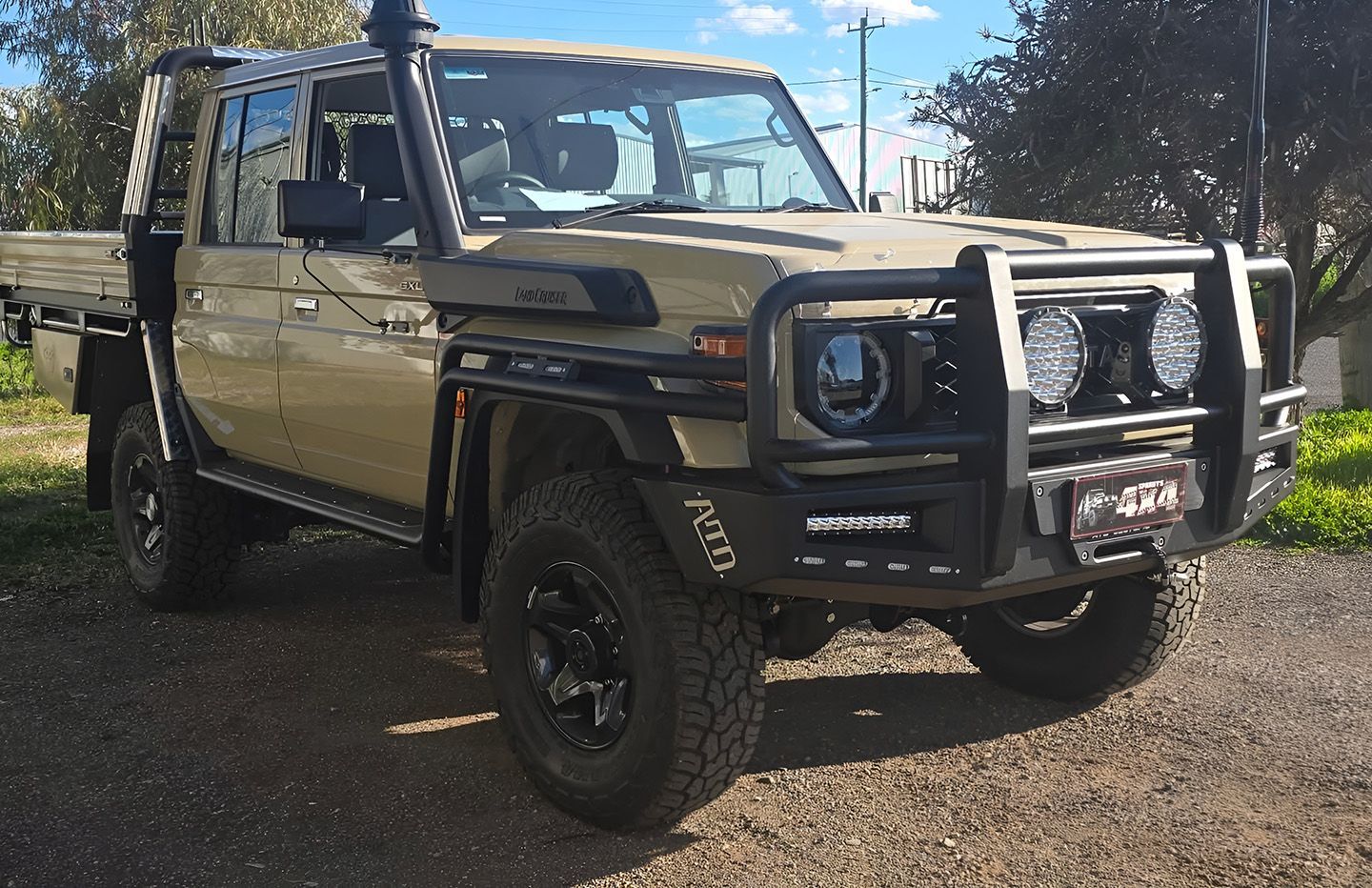
Choosing between a bull bar vs nudge bar? Learn the key differences in protection functionality and suitability to find the right option for your 4x4.
By Sparky's 4x4
•
April 20, 2026
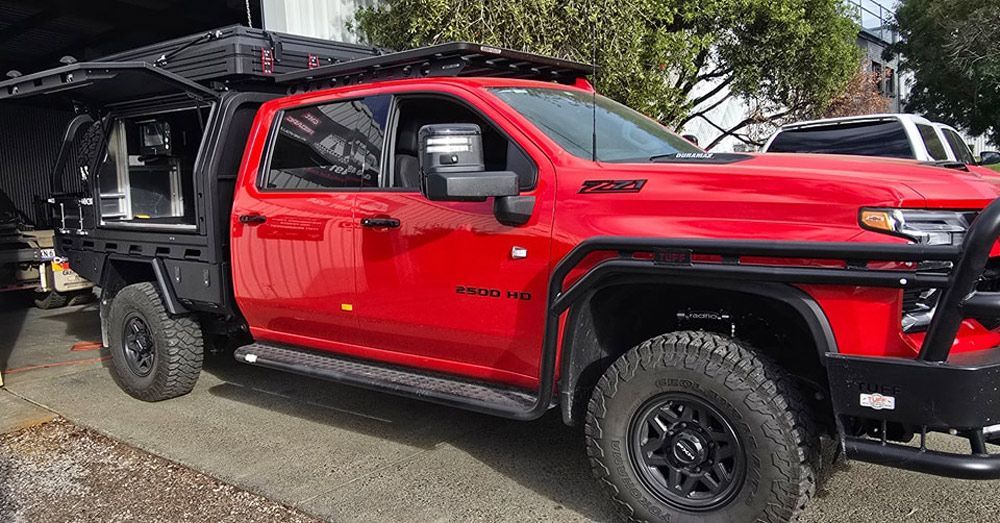
Incorrectly installed 4x4 accessories in Tamworth can cause faults, battery issues and safety risks. Get an auto electrician to fix it today.
By Sparky's 4x4
•
January 7, 2026
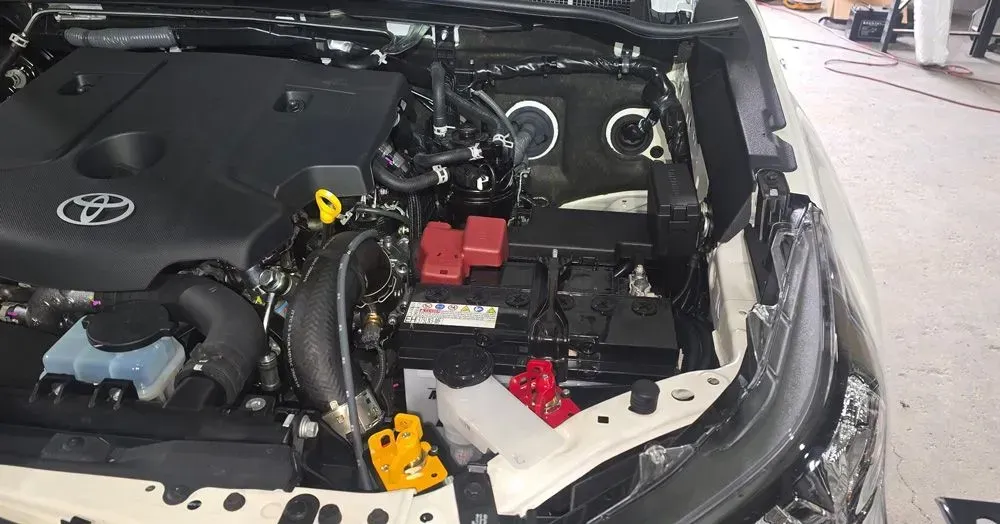
Learn why dual battery systems power modern 4x4 accessories in Tamworth. Get expert advice from an auto electrician and book an assessment today.
By Sparky's 4x4
•
December 29, 2025
Compare LED light bars vs spotlights for 4x4 accessories and get expert tips from a trusted auto electrician in Tamworth on off-road lighting options.
By Sparky's 4x4
•
November 28, 2025
Compare roof racks and roof platforms to choose what's best for your 4x4. Read expert advice on 4x4 accessories in Tamworth to make the right choice.
By Sparky's 4x4
•
September 10, 2025
Keep your vehicle safe with auto electrician Tamworth. Trust a skilled 4x4 auto electrician near you for reliable checks. Book your service today.
By Sparky's 4x4
•
August 1, 2025
Discover how to choose the best 4x4 accessories for your next off-road adventure. Tips on gear for safety and comfort. Read before you hit the tracks!
By Sparky's 4x4
•
July 22, 2025
Learn the top 8 signs your 4WD may need an auto electrician. Spot issues early to avoid costly repairs and stay safe on and off the road. Read more.


